


5 Signs Your Wine Cooling System Is About to Fail
Don’t wait for a costly surprise. Wine Guardian Dealer breaks down the top 5 signs your wine cooling system may be failing — and how to fix it before damage...
Jim Hopper
In Stock & Ready to Ship – Order Your Wine Cooling System Today!
Free Wine Cellar Expert Consultation | 📞 Call 1-800-260-1712

Start with a free expert consult—cooling system sizing, racking options, and no upsells.

Build your dream wine cellar—without costly mistakes or guesswork.
By Jim Hopper, Wine Cooling Expert
Wine is a living, evolving beverage that demands careful storage to preserve its quality and character. Whether you’re a passionate collector or just starting to build your cellar, understanding the importance of wine cellar temperature and humidity is crucial. Achieving the right wine cellar climate control ensures your bottles age gracefully, free from the threats of spoilage, oxidation, or mold.
If you’re looking for an in-depth overview of all aspects of wine cellar climate management, don’t miss our comprehensive guide to wine cellar climate control.
In this guide, we’ll explain the ideal wine storage conditions, how to manage them, and why humidity control for wine cellar environments is essential for anyone serious about storing wine long term.
Climate control is the backbone of any successful wine storage environment. Both temperature and humidity must be kept within specific ranges to protect your collection. Fluctuations or extremes in either can lead to a host of problems, from dried-out corks and spoiled wine to mold growth and damaged labels. Investing in proper wine cellar HVAC or a dedicated cellar cooling system is not just for professionals—it’s a necessity for anyone who values their wine.
To learn more about advanced solutions, visit our Wine Guardian products collection for industry-leading climate control systems.
The best temperature for wine cellar storage is generally between 11°C and 15°C (52°F to 59°F), with 12°C (54°F) often considered ideal. This range provides a stable environment for both red and white wines, allowing them to mature slowly and develop complexity. Wide temperature swings or excessive heat can accelerate aging and degrade the wine, while temperatures that are too cold may halt the aging process or even freeze the wine.
For a deep dive into cabinet storage, see our wine cabinet temperature and humidity control guide.
Humidity is just as important as temperature. The ideal wine cellar humidity typically falls between 60% and 70% relative humidity (RH). This range keeps corks moist and elastic, maintaining a tight seal that protects wine from oxygen exposure.
Maintaining this balance is vital for wine preservation temperature and overall wine storage environment.
For more on managing humidity in larger spaces, check out our wine room humidification guide.
Wine corks are natural materials that expand and contract based on their environment. In low-humidity settings, corks dry out, lose their seal, and let oxygen in—causing wine to oxidize and deteriorate. In overly humid cellars, corks can become too damp, and mold can take hold on corks, labels, and racks. Mold not only damages the appearance and value of bottles but can also affect the air quality in your cellar.
Proper wine cellar climate control also helps prevent the proliferation of bacteria and keeps the wine aging temperature steady, ensuring each bottle reaches its full potential.
For further details on humidity issues and solutions, visit our complete humidity guide.
Modern wine cellars rely on a combination of technology and thoughtful design:
For those interested in advanced, whole-cellar solutions, consider ducted wine cellar cooling units, which offer precise control over both temperature and humidity.
If your cellar has unique layout needs or you’re retrofitting an existing space, ductless split wine cooling systems provide flexible installation and reliable climate management.
For help choosing the right humidifier, see our wine cellar humidifier buying guide.
For maintenance tips on specific systems, check out our ductless wine cooling maintenance guide and wine cabinet climate maintenance.
If you’re looking for high-end solutions, explore our Wine Guardian luxury climate control systems.
For emergency preparedness, learn how to protect your wine cellar during a power outage.
While temperature and humidity are paramount, other factors also play a role in wine preservation:
For those designing or expanding their cellar, explore our wine cellar cooling units and Wine Guardian products collection for integrated solutions.
Achieving the ideal wine storage conditions is a blend of science and art. By maintaining the right wine cellar temperature and humidity, you protect your investment and enhance the enjoyment of every bottle. With the right climate control tools, humidifiers, and regular maintenance, you can create a wine storage environment that lets your collection shine—now and for years to come.

Use a dedicated wine cellar HVAC or cooling system, monitor with hygrometers, and adjust with humidifiers or dehumidifiers as needed.
Aim for a stable 12°C (54°F), within the range of 11°C to 15°C (52°F to 59°F).
Keep relative humidity between 60% and 70% for best results.
Maintain humidity below 70%, ensure proper ventilation, and clean regularly. Inspect for leaks or condensation and address them promptly.
Choose racking materials that resist mold and withstand humidity, such as stainless steel or treated wood. Avoid untreated wood, which can absorb moisture and harbor mold.
Yes. Storing bottles horizontally keeps corks in contact with wine, helping them stay moist and sealed even if humidity drops temporarily.
Increase humidity by using a humidifier or placing a shallow tray of water in the cellar. Monitor levels regularly to avoid over-humidification.
Yes. Humidity above 70% can encourage mold and mildew, which may damage corks, labels, and even cellar materials.
Check at least once a week, or use smart sensors for real-time monitoring and alerts.
Don’t wait for a costly surprise. Wine Guardian Dealer breaks down the top 5 signs your wine cooling system may be failing — and how to fix it before damage...
Jim Hopper
Not every wine cellar needs a humidifier — but many should. This guide from Wine Guardian Dealer helps you understand when humidity control is critical, what goes wrong without it,...
Jim Hopper

Building a wine cellar isn’t like framing a spare room. Even experienced pros make critical mistakes that lead to spoiled wine, mold, or failed systems. In this guide from Wine...
Jim Hopper

Curious what it's like to hire a wine cooling expert? Discover how Wine Guardian Dealer helps collectors avoid costly mistakes and create flawless wine cellar environments. From system sizing to...
Jim Hopper
Protect your wine collection and your wallet. Discover the most common wine cellar cooling mistakes that cost collectors thousands — from underpowered systems to airflow issues — and learn how...
Jim Hopper
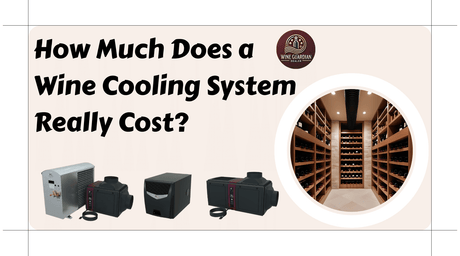
Wine cooling systems can cost anywhere from $1,800 to $13,000+. This guide breaks down unit costs, install factors, and hidden expenses you should plan for.
Jim Hopper
Humidity is just as vital as temperature in your wine cellar. Learn how to protect corks, prevent spoilage, and maintain the perfect balance year-round.
Jim Hopper
Learn how to cool modern glass wine cellars with precision. We break down thermal load, best systems, and real-world solutions from Wine Guardian Dealer.
Jim Hopper
🛒Shop our most-loved Wine Guardian cooling systems today.
🛠️Protect your wine with the most trusted systems on the market.
❤️Tested, reviewed, and loved by serious collectors like you.


Wine Guardian
Wine Guardian D025 Ducted Wine Cellar Cooling Unit


Wine Guardian
Wine Guardian D025WC Water Cooled Wine Cooling Unit


Wine Guardian
Wine Guardian DS025 Duct Split Wine Cellar Cooling Unit


Wine Guardian
Wine Guardian DS050 Duct Split System Wine Cellar Cooling Unit


Wine Guardian
Wine Guardian CS025 Ceiling Mount Wine Cooling Unit


Wine Guardian
Wine Guardian CS050 Ceiling Mount Wine Cooling System


Wine Guardian
Wine Guardian TTW009 Through The Wall Wine Cellar Cooling Unit


Wine Guardian
Wine Guardian TTW018 Through-The-Wall Wine Cellar Cooling Unit

Wine Guardian
Wine Guardian Sentinel Series Integrated Humidifier 99H0173-20

Wine Guardian
Wine Guardian Integrated Humidifier for Sentinel Series 99H0173-30

Wine Guardian
Wine Guardian Freestanding Humidifier For Use With Wine Guardian Units


