



5 Signs Your Wine Cooling System Is About to Fail
Don’t wait for a costly surprise. Wine Guardian Dealer breaks down the top 5 signs your wine cooling system may be failing — and how to fix it before damage...
Jim Hopper
In Stock & Ready to Ship – Order Your Wine Cooling System Today!
Free Wine Cellar Expert Consultation | 📞 Call 1-800-260-1712

Start with a free expert consult—cooling system sizing, racking options, and no upsells.

Build your dream wine cellar—without costly mistakes or guesswork.
By Jim Hopper, Wine Cooling Expert
Are you dreaming of your own wine cellar, but not sure where to start? This wine cellar case studies guide brings you real wine cellar projects and installation examples from homeowners, restaurants, and collectors. Whether you want a small basement wine cellar, a glass showcase for your dining room, or a climate-controlled wine wall in a restaurant, you’ll find practical advice, design ideas, and lessons learned from custom wine cellar projects. Let these real-world stories inspire your next project.
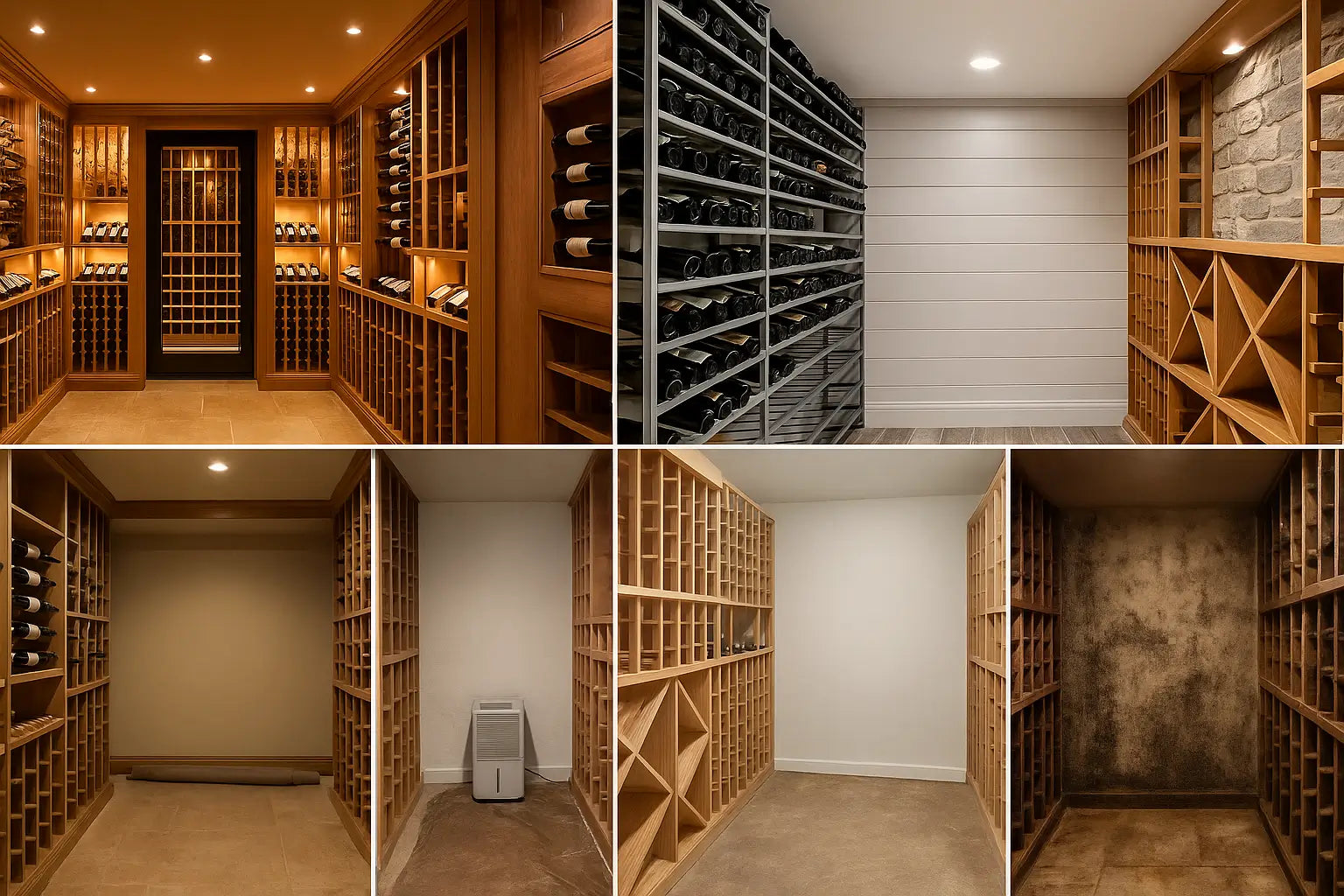
Learning from wine cellar installation case studies offers invaluable insight. Real wine cellar design projects reveal what works, what doesn’t, and how to navigate common challenges. Whether you’re planning a residential wine cellar installation or a commercial wine cellar project, these examples help you:
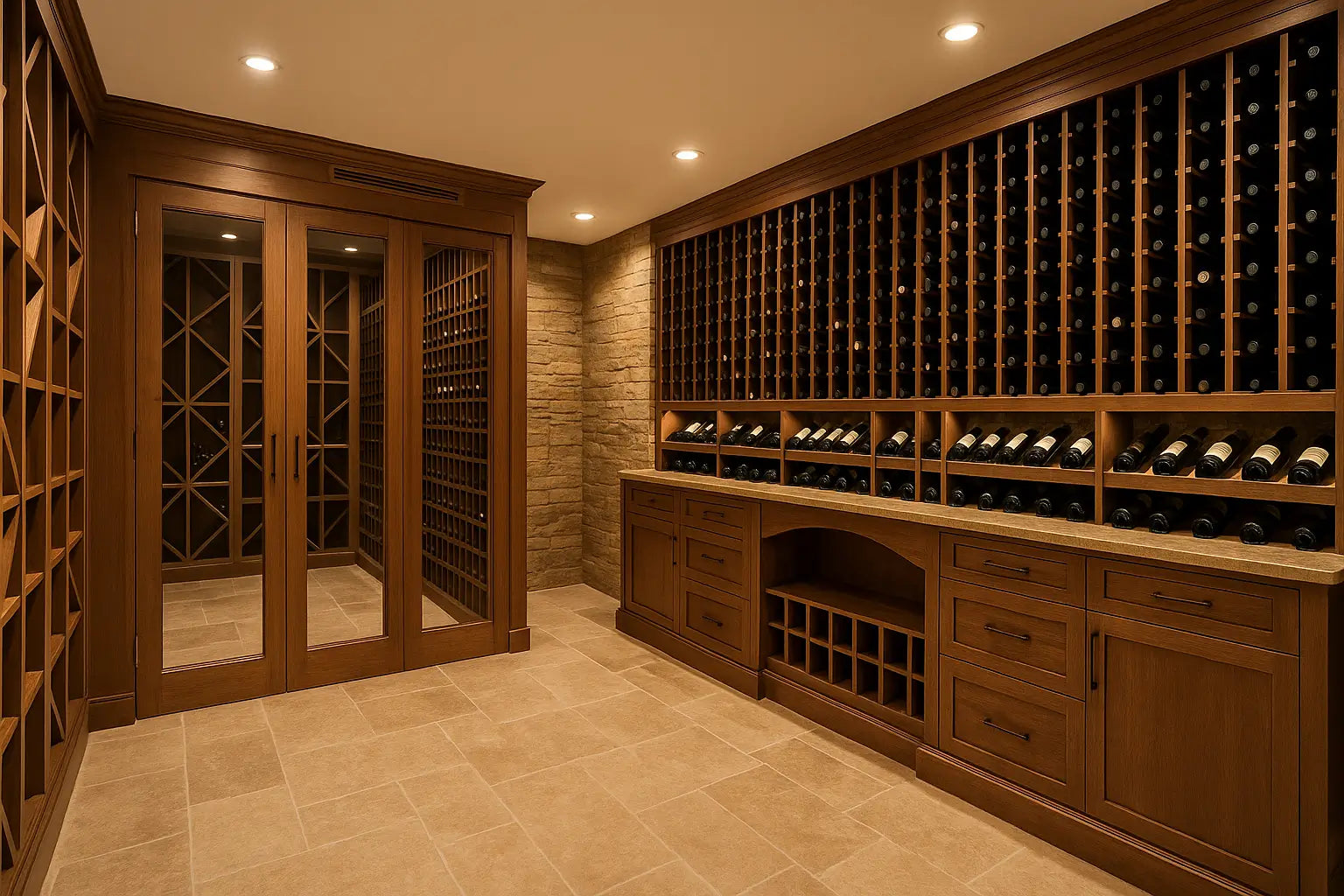
Before diving into case studies, it’s important to know what a wine cellar installation involves. Successful projects balance aesthetics, storage, and preservation. Key factors include:
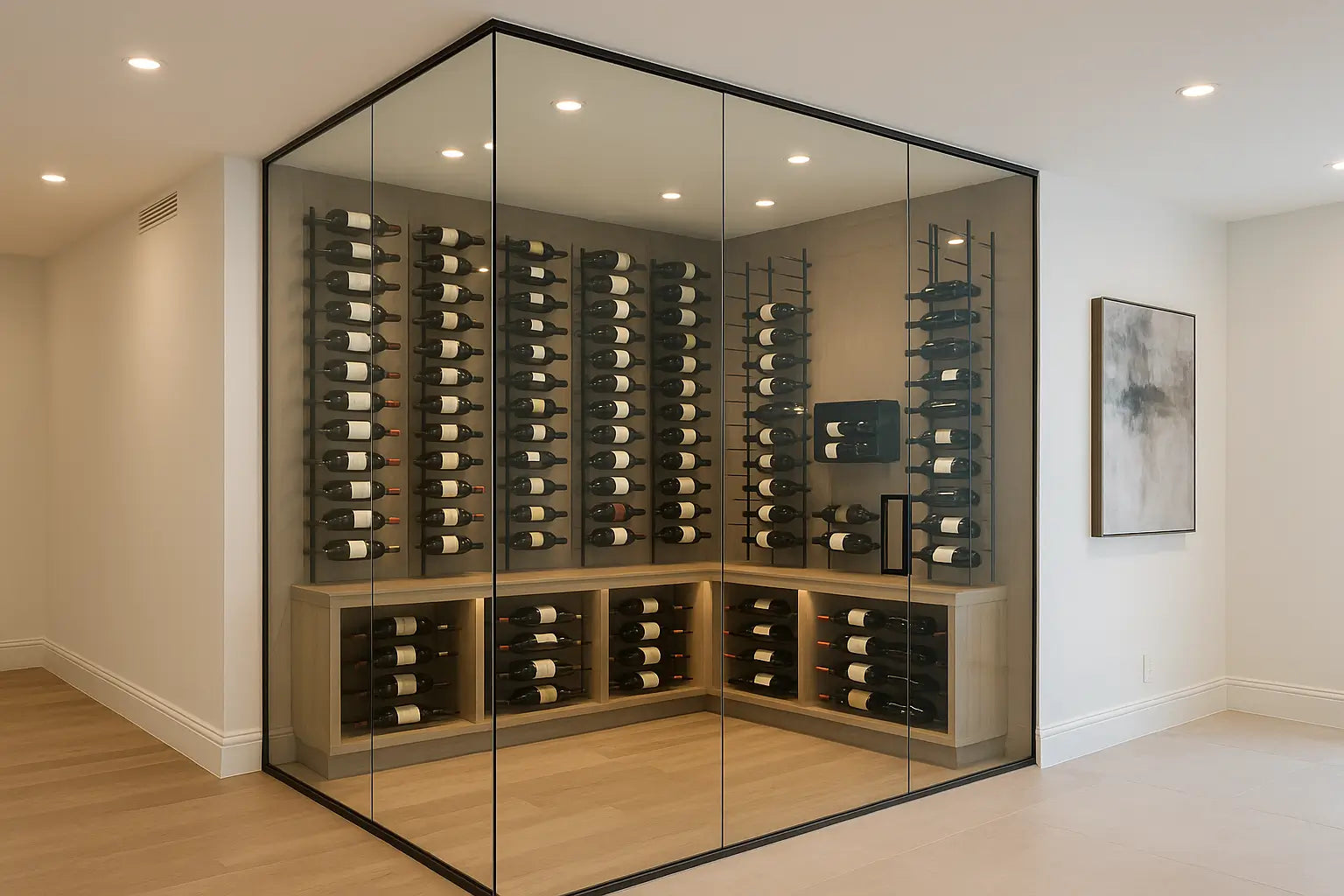
Selecting the right construction materials and building methods is critical to creating a wine cellar that looks impressive and protects your collection for the long term. Each structural element—flooring, walls, doors, and racking—directly impacts your cellar’s ability to maintain stable temperature and humidity, prevent mold, and ensure lasting durability.
The foundation of your wine cellar should be both sturdy and moisture-resistant. Concrete floors are highly recommended due to their natural coolness and resistance to moisture. Many successful wine cellar projects use sealed concrete, stone, or tile, which are easy to clean and long-lasting. If you prefer a more traditional look, engineered hardwood is an option, but it must be installed with a moisture barrier to prevent warping from humidity. Avoid carpet, regular hardwood, and laminate flooring, as these materials can trap moisture and encourage mold growth.
Some cellars feature raised surfaces beneath racks. This design promotes airflow and helps prevent moisture accumulation under bottles—an especially valuable feature in basements or humid climates.
Proper wall construction is essential for effective wine cellar climate control. Use high-quality insulation materials such as closed-cell foam or rigid foam panels to achieve a high R-value and provide reliable moisture control. Always install a vapor barrier on the warm side of the wall to prevent warm, moist air from entering and condensing inside your cellar. This step is crucial for avoiding mold and ensuring your wine storage conditions remain stable.
A well-sealed door is a vital defense against outside temperature and humidity fluctuations. For best results, install an exterior-grade door with weather stripping or a door sweep to create a tight seal. If you opt for a glass door for modern aesthetics, make sure it is insulated, low-E glass with UV protection to safeguard your wine from harmful light and temperature swings.
Your wine racking system should be both attractive and robust. Choose between wood, metal, or hybrid racking systems to suit your design preferences and bottle sizes. Regardless of the material, racks must be securely installed to prevent accidents. Use L-shaped brackets and screws to anchor racks to the wall—this is especially important for tall or heavily loaded racks. A power drill makes installation more efficient and ensures a secure fit.
For a polished appearance, consider applying wood stain to your racks before assembly. This enhances the look and adds a layer of protection against humidity.
Maintaining optimal wine storage conditions is essential for aging and preserving your collection. Install a reliable temperature and humidity gauge to monitor your cellar’s environment. Select a wine cellar humidifier to help maintain the recommended 55°F and 60–70% humidity. Properly installed cooling systems also assist with airflow management, distributing cool, humidified air evenly throughout the space.
Summary: Building a wine cellar requires more than just aesthetic choices. Careful selection of construction materials and techniques—including concrete or raised flooring, advanced insulation, vapor barriers, anchored racking, and environmental monitoring—ensures your wine ages gracefully and your investment is protected. By following these best practices, you’ll create a cellar that is both beautiful and highly functional for years to come.
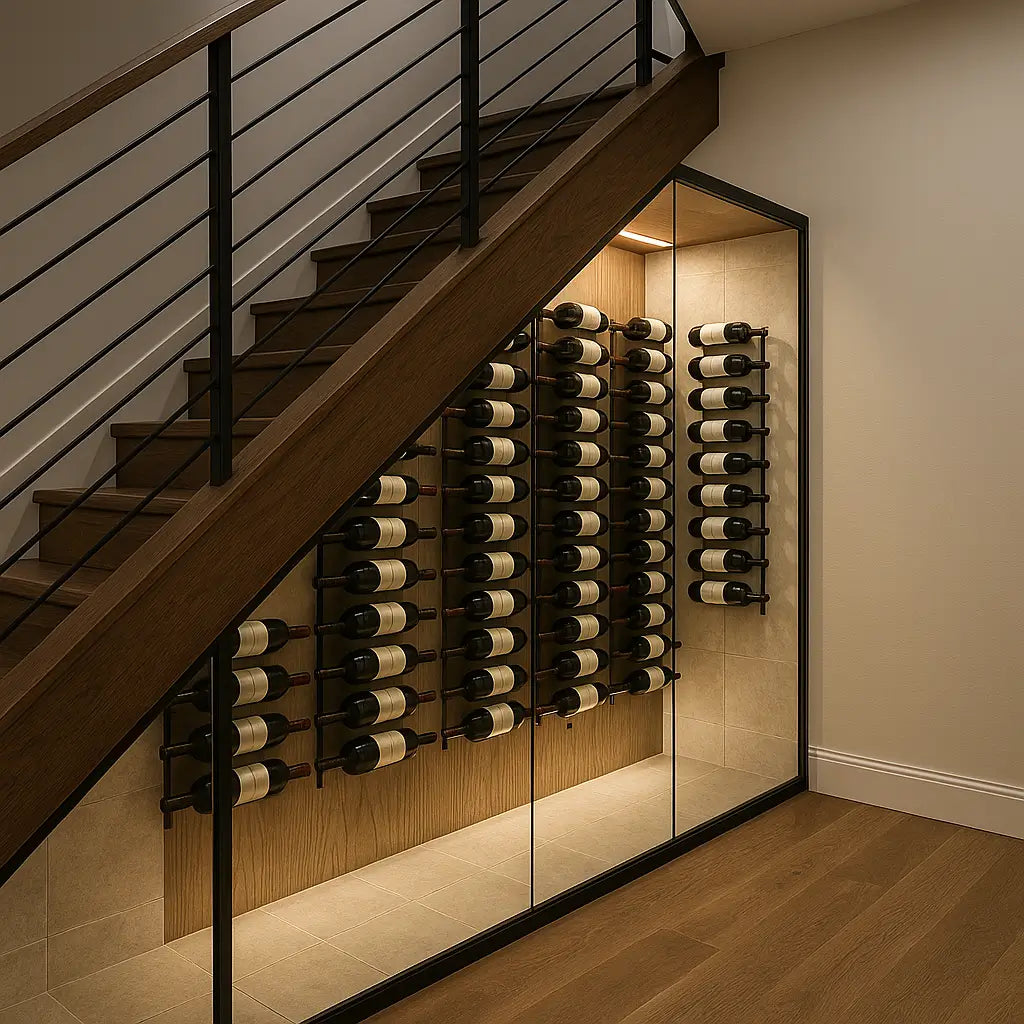
Whether you’re building a small home cellar or a larger basement project, it’s helpful to see what’s possible for your space. Browse 500–999 cu. ft. wine cellars for inspiration on mid-sized projects, or explore 1000–1999 cu. ft. wine cellars and 2000 cu. ft. and above wine cellars for larger installations.
For a detailed look at a high-end basement build, see our Luxury Basement Wine Cellar Case Study.
Case Study: A homeowner in a suburban home wanted to convert an unused basement corner into a functional wine cellar. They assessed the space for temperature stability and installed insulation and a vapor barrier. Using stackable wood racks, they achieved a 150-bottle capacity. A compact wine cellar cooling system was installed to maintain 55°F and 65% humidity year-round.
Key Takeaways:
Explore the transformation of a small space in our Closet Wine Cellar Conversion Case Study.
Case Study: An apartment dweller transformed a walk-in closet into a custom wine cellar. After sealing the door and adding closed-cell foam insulation, they installed a slimline cooling unit. Metal racking maximized storage for 75 bottles, with LED strip lighting for display.
Key Takeaways:
Discover how a compact apartment can house a collection in our Apartment Wine Cellar Case Study.
Small spaces can still make a big impact. One homeowner used a hallway nook, installing a glass door and a compact cooling system for a modern touch.
See how a garage was converted into a climate-controlled cellar in our Garage Wine Cellar Case Study.
Learn how a professional space maintains ideal conditions in our Restaurant Wine Room Case Study.
Case Study: A fine-dining restaurant needed a glass wine room to showcase its collection and maintain optimal storage conditions. The design included double-glazed, UV-protected glass walls, a ducted wine cellar cooling system, and custom display racks for 500 bottles.
Key Takeaways:
For inspiration on modern display features, check out our Glass Wine Wall Case Study.
A boutique hotel installed a glass wine wall in the lobby, using a split cooling system and modular metal racks for both aesthetics and function.
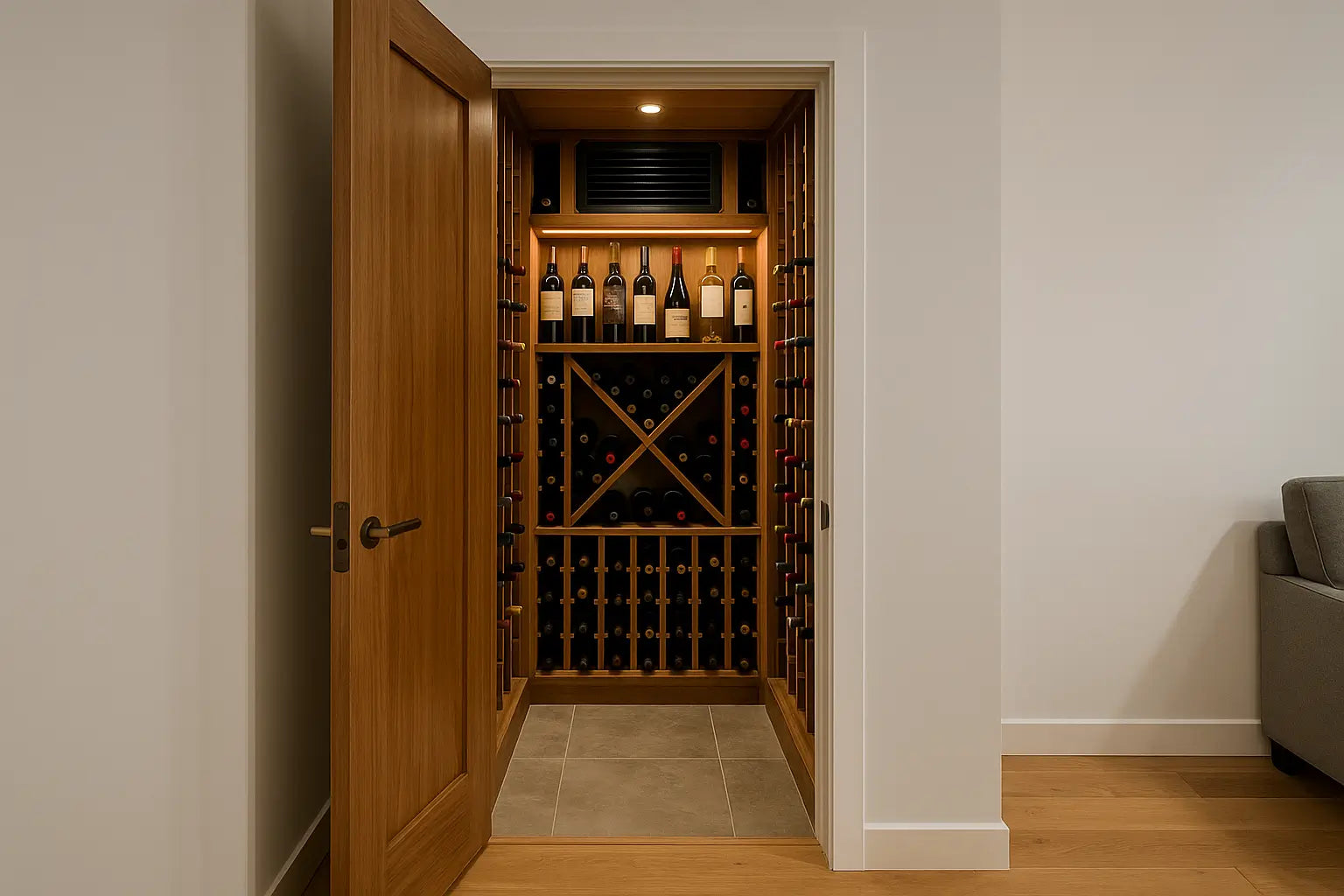
For advanced solutions, check out ducted split wine cellar cooling systems for quiet, efficient performance, or ductless split wine cooling systems for flexible installation options.
If you’re working with a compact space or seeking a straightforward installation, through-the-wall wine cellar cooling units are a popular choice.
Proper wine cellar cooling system installation is the backbone of any successful project. Examples include:
Tips:
See how a dining area can be transformed with a sleek installation in our Dining Room Glass Wine Cellar Case Study.
A city loft owner created a modern glass wine cellar with floating metal racks and LED accent lighting. The cellar doubled as a design feature and functional storage, holding 200 bottles in a climate-controlled environment.
A collector with an extensive wine library worked with a designer to create a custom wine cellar featuring wood and metal hybrid racking, a tasting area, and integrated smart climate controls.
Design Ideas:
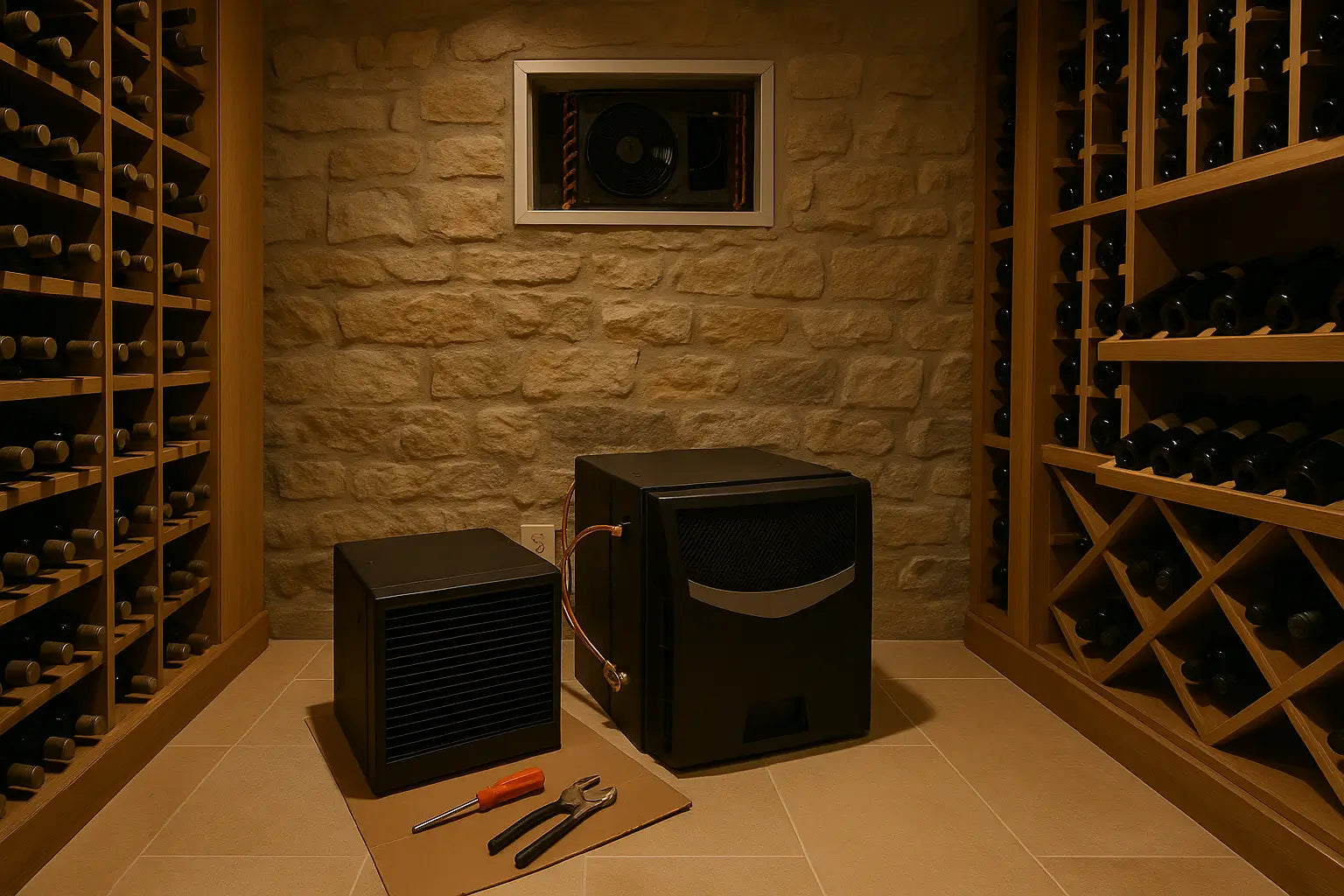
Building a wine cellar—whether a simple wall unit or a custom-designed wine cellar—requires more than just careful construction. Ongoing maintenance is essential to keep your investment in ideal condition, and understanding common mistakes can save you from costly repairs down the road.
Regular checks are critical for preserving both your collection and the structure itself. Here’s how to maintain a modern wine cellar construction:
To keep your wine cellar running smoothly, don’t forget to maintain and upgrade with quality parts and accessories as needed. For reliable, professional-grade solutions, see the full range of Wine Guardian products.
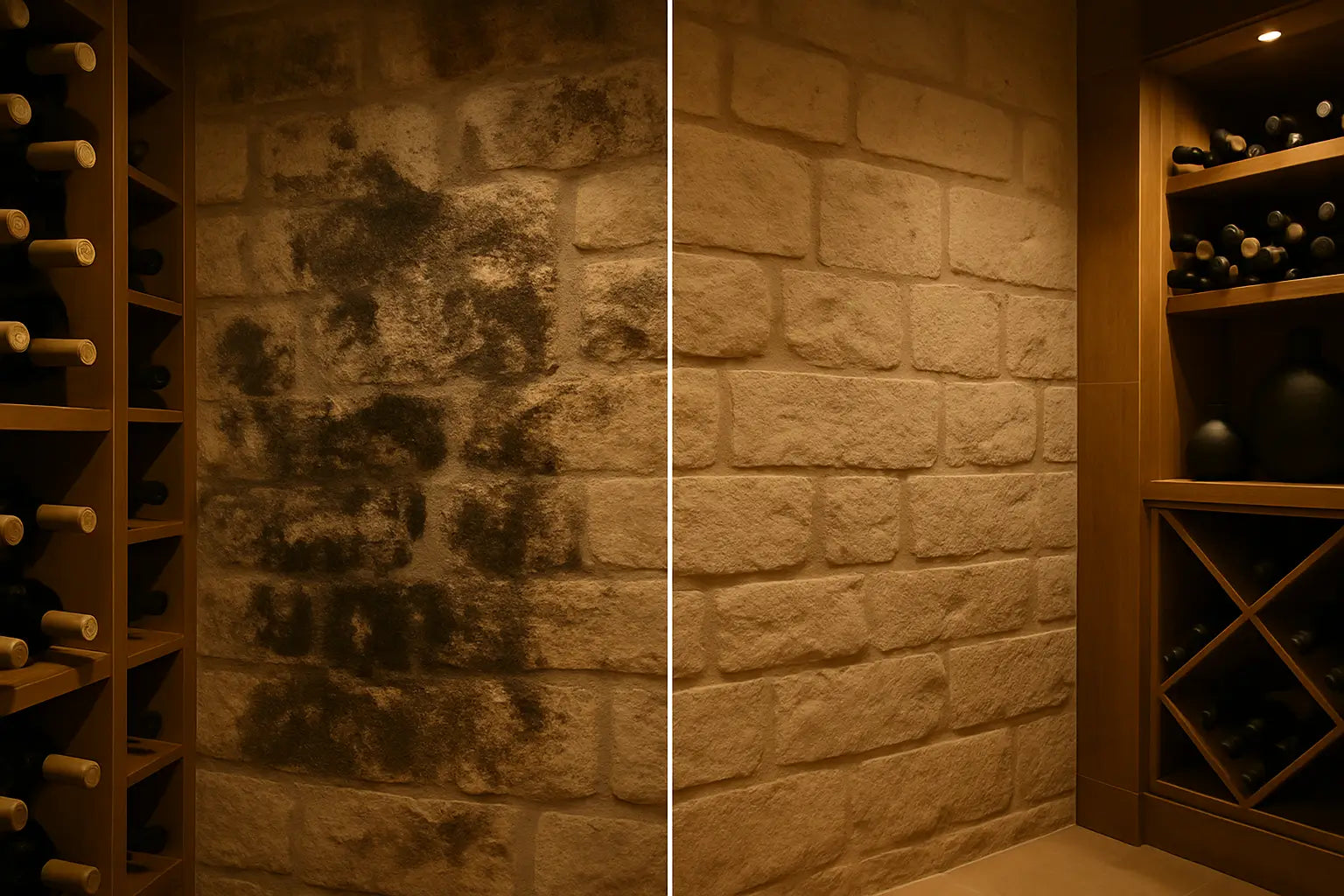
Even experienced construction professionals can fall into these traps. Here are the most frequent pitfalls when building a wine cellar:
Summary: By establishing a regular maintenance routine and learning from common mistakes, you can ensure your wine cellar remains in ideal condition year after year. Whether you have a simple wall unit or a modern, custom-designed wine cellar, attention to detail during construction and ongoing care is the key to protecting both your investment and your wine.
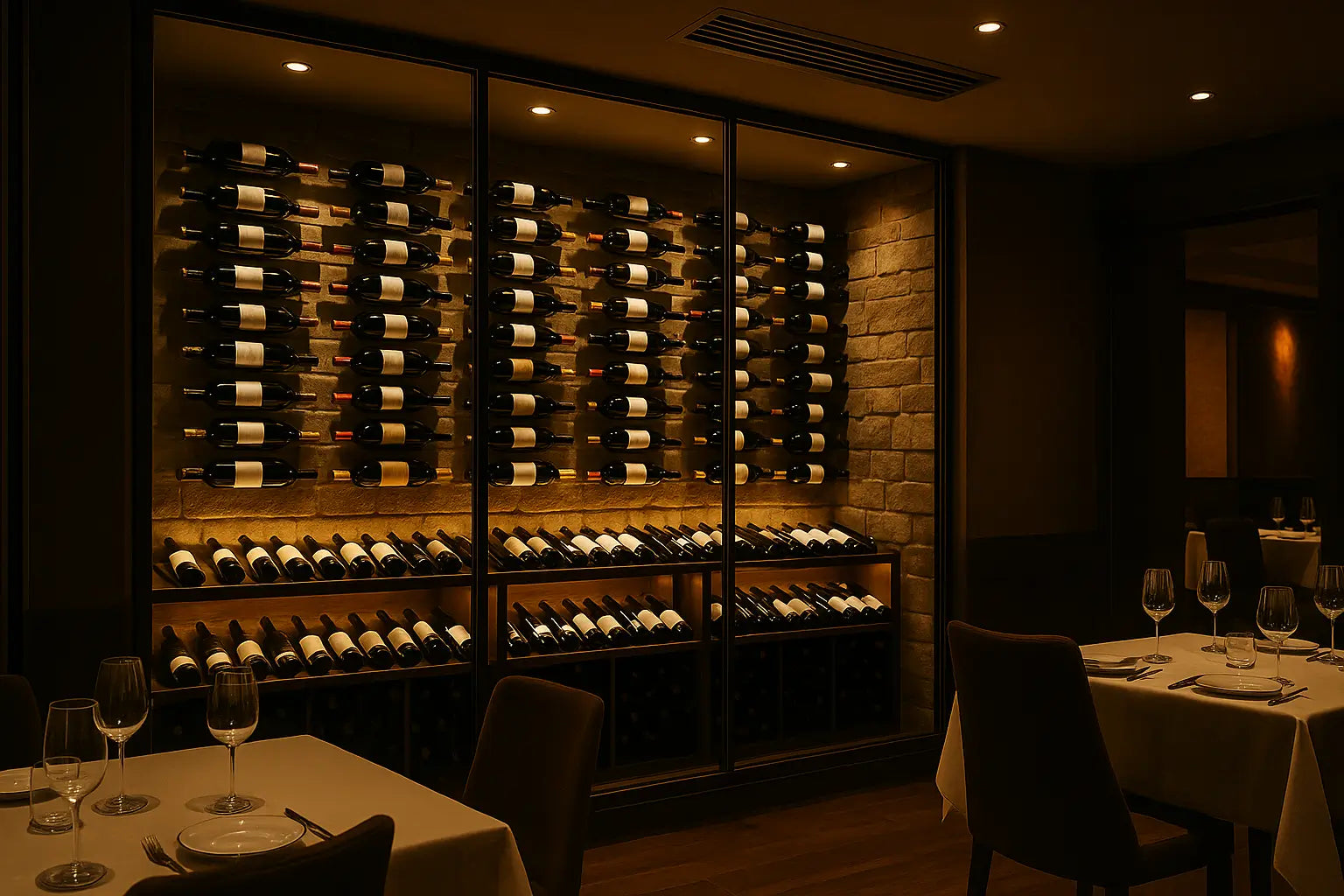
Wine cellar case studies provide real-world inspiration and practical advice for every type of project, from small residential installations to large commercial showcases. Use these examples and collections to plan your own wine cellar, avoid common pitfalls, and create a space that protects and displays your collection beautifully. Ready to start your own wine cellar journey? Explore more case study articles or browse our best-selling wine cellar solutions to find the perfect fit for your needs.

A wine cellar installation involves assessing your space, adding insulation and vapor barriers, installing a cooling system, choosing racking, and finishing with proper lighting and sealing.
Costs vary widely based on size, materials, and cooling systems. Small DIY wine cellars can start around $1,000, while custom projects range from $10,000 and up.
Wine cellars use self-contained, split, or ducted cooling systems designed for precise temperature and humidity control.
Start with your collection size and space, choose materials and racking, plan for climate control, and work with a designer or contractor as needed.
Ideal wine storage conditions are 55°F (12–14°C) and 60–70% humidity.
Don’t wait for a costly surprise. Wine Guardian Dealer breaks down the top 5 signs your wine cooling system may be failing — and how to fix it before damage...
Jim Hopper

Not every wine cellar needs a humidifier — but many should. This guide from Wine Guardian Dealer helps you understand when humidity control is critical, what goes wrong without it,...
Jim Hopper

Building a wine cellar isn’t like framing a spare room. Even experienced pros make critical mistakes that lead to spoiled wine, mold, or failed systems. In this guide from Wine...
Jim Hopper

Curious what it's like to hire a wine cooling expert? Discover how Wine Guardian Dealer helps collectors avoid costly mistakes and create flawless wine cellar environments. From system sizing to...
Jim Hopper
Protect your wine collection and your wallet. Discover the most common wine cellar cooling mistakes that cost collectors thousands — from underpowered systems to airflow issues — and learn how...
Jim Hopper
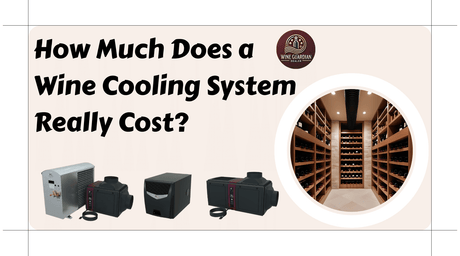
Wine cooling systems can cost anywhere from $1,800 to $13,000+. This guide breaks down unit costs, install factors, and hidden expenses you should plan for.
Jim Hopper
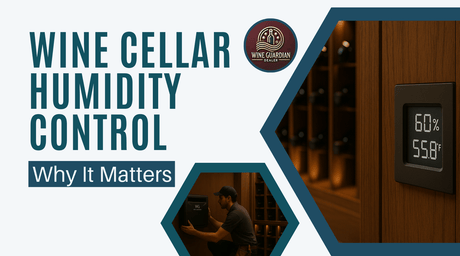
Humidity is just as vital as temperature in your wine cellar. Learn how to protect corks, prevent spoilage, and maintain the perfect balance year-round.
Jim Hopper
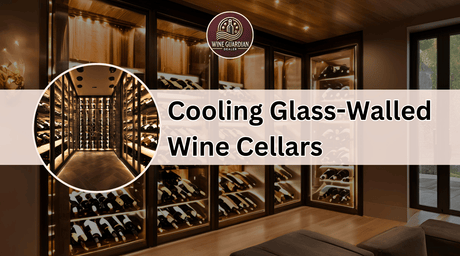
Learn how to cool modern glass wine cellars with precision. We break down thermal load, best systems, and real-world solutions from Wine Guardian Dealer.
Jim Hopper
🛒Shop our most-loved Wine Guardian cooling systems today.
🛠️Protect your wine with the most trusted systems on the market.
❤️Tested, reviewed, and loved by serious collectors like you.


Wine Guardian
Wine Guardian D025 Ducted Wine Cellar Cooling Unit


Wine Guardian
Wine Guardian D025WC Water Cooled Wine Cooling Unit


Wine Guardian
Wine Guardian DS025 Duct Split Wine Cellar Cooling Unit


Wine Guardian
Wine Guardian DS050 Duct Split System Wine Cellar Cooling Unit


Wine Guardian
Wine Guardian CS025 Ceiling Mount Wine Cooling Unit


Wine Guardian
Wine Guardian CS050 Ceiling Mount Wine Cooling System


Wine Guardian
Wine Guardian TTW009 Through The Wall Wine Cellar Cooling Unit


Wine Guardian
Wine Guardian TTW018 Through-The-Wall Wine Cellar Cooling Unit

Wine Guardian
Wine Guardian Sentinel Series Integrated Humidifier 99H0173-20

Wine Guardian
Wine Guardian Integrated Humidifier for Sentinel Series 99H0173-30

Wine Guardian
Wine Guardian Freestanding Humidifier For Use With Wine Guardian Units


Wine Guardian
Wine Guardian Sentinel Through-The-Wall Wine Cooling Unit TTW02B

Wine Guardian
Wine Guardian Defender Through-The-Wall Wine Cooling Unit WGTTW04B

Wine Guardian
Wine Guardian Defender Through-The-Wall Wine Cooling Unit WGTTW02B

Wine Guardian
Wine Guardian Defender Through-The-Wall Wine Cooling Unit WGTTW01B


Wine Guardian
Wine Guardian Classic Through-The-Wall Wine Cooling Unit TTW01B