



5 Signs Your Wine Cooling System Is About to Fail
Don’t wait for a costly surprise. Wine Guardian Dealer breaks down the top 5 signs your wine cooling system may be failing — and how to fix it before damage...
Jim Hopper
In Stock & Ready to Ship – Order Your Wine Cooling System Today!
Free Wine Cellar Expert Consultation | 📞 Call 1-800-260-1712

Start with a FREE expert consultation on Wine Guardian cooling system sizing, racking options, and the right setup for your space.

Build your dream wine cellar—without costly mistakes or guesswork.
By Jim Hopper, Wine Cooling Expert
A wine cellar is more than just a storage space—it’s a carefully controlled environment that protects your investment and allows every bottle to mature gracefully. The heart of this environment is your wine cellar cooling system. With so many wine cooling systems available, finding the best wine cooling system for your needs can seem overwhelming. This comprehensive wine cooling systems comparison guide will help you understand your options, compare wine cooling systems, and choose the ideal solution for your collection.
If you’re just starting your research, you might also find our guide to choosing the best wine cellar cooling unit helpful for an overview of key decision points.

Proper wine storage is essential for preserving both the quality and value of your collection. The right environment allows wine to mature gracefully, while poor conditions can lead to spoilage or diminished flavor. Here are the best practices to follow—and how modern wine cellar cooling systems help you achieve them:
Summary: By following these wine storage best practices—and investing in a reliable wine cellar cooling system with features like humidity control, UV-filtered doors, vibration minimization, and smart wine tech—you’ll create an environment where your collection can age beautifully and remain organized for years to come.
Choosing the right system starts with understanding the main types of wine cooling systems. Each has its strengths, and the best cooling unit for your wine cellar depends on your space, budget, and preferences.
For an in-depth look at the different types, explore our comprehensive wine cooling units guide.

These all-in-one units are installed through a wall, similar to a window AC. They’re ideal for small to mid-sized cellars and are often the most affordable and easiest to install.
Pros:
Cons:
Explore our full range of self-contained wine cooling units and through-the-wall wine cellar cooling units for more options and specifications.
For more, see the best through-the-wall units comparison.

Split systems separate the evaporator (inside the cellar) and the condenser (outside or in another room), connected by refrigerant lines. This setup reduces noise and heat in the cellar.
Pros:
Cons:
See all available split system wine cooling units to compare different models and features.
Learn more about the differences in our split vs through-the-wall cooling comparison.

Ducted systems use ductwork to deliver cooled air from a remote unit, keeping equipment out of sight and minimizing noise.
Pros:
Cons:
Browse our collection of ducted wine cellar cooling units for solutions tailored to silent and hidden installations.
Explore a detailed breakdown in our ducted vs ductless wine cooling guide and our guide to ducted vs ductless systems.
Ductless systems, often split-type, don’t require ductwork. The evaporator is wall- or ceiling-mounted inside the cellar, while the condenser is located remotely.
Pros:
Cons:
For more information, view our ductless split wine cooling systems designed for flexible installation.
See our best ductless split systems guide.

For wine cabinets or custom installations, compact or ceiling-mount units provide targeted cooling in tight spaces.
Best for:
When comparing wine cellar cooling units, consider these critical factors to ensure you select the best wine cooling system for your collection:
For more on what to consider, check our key buying factors for wine cooling systems.
Choosing the best wine cellar cooling system often comes down to comparing leading brands and their specific models. Each brand offers unique strengths, weaknesses, and specialties, making certain models better suited for particular cellar sizes, budgets, and performance requirements. Here’s a closer look at how top brands and models stack up:
Strengths: Breezaire is renowned for reliability, simplicity, and quiet wine cooling units. Their systems are especially popular for small to mid-sized home cellars. The WKL series is a go-to for through-the-wall installations, while the WKSL split systems are favored for spaces needing remote condensers.
Model Comparison:
Weaknesses: Breezaire units may lack some of the smart features and app integrations found in newer competitors. Universal parts can be hit-or-miss in terms of fit and reliability.
For more, see our Breezaire model comparison.
Strengths: WhisperKOOL stands out for innovation, versatility, and some of the quietest wine cooling units on the market. Their product range covers everything from compact home systems to robust commercial solutions.
Model Highlights:
Weaknesses: Some models require professional installation, and premium features can come at a higher price. Choosing between models (like Slimline vs SC PRO) depends on your specific space and performance needs.
Compare top models in our Wine Guardian vs WhisperKOOL vs Breezaire comparison.
Strengths: CellarPro is a top choice for high-end residential and commercial cellars. Their systems are known for energy efficiency, advanced digital controls, and robust reliability—often being ranked among the most reliable wine cooling brands.
Best For: Collectors who want advanced features, quiet operation, and long-term performance. CellarPro also offers excellent warranty coverage.
Weaknesses: Premium features and build quality come at a higher price point, and installation may require professional expertise.
Compare Wine Guardian and CellarPro in our brand comparison guide.
Strengths: Wine Guardian is a leader in commercial wine cellar cooling, offering ducted and ductless systems with ultra-quiet operation. They excel at large installations and hospitality environments, making them a top pick when comparing commercial wine cooling brands.
Best For: Large, custom, or commercial wine cellars where reliability and even temperature distribution are paramount.
Weaknesses: These systems may be more than what’s needed for small home cellars, and installation can be complex.
Explore our dedicated Wine Guardian products collection for more details on this leading brand, and see our Wine Guardian model comparison.
If you’re focused on value, budget wine cooling brands like KoolR offer reliable, compact through-the-wall units ideal for small collections or entry-level users. While they may not have all the advanced features of premium brands, they deliver solid performance at a lower cost.
For more affordable options, check our best sellers collection.
For cellars near living spaces or entertainment areas, quiet wine cooling units are a must. Both Breezaire and WhisperKOOL are recognized for their noise-dampening technology, while Wine Guardian’s ducted systems are preferred for near-silent operation in larger setups. For long-term peace of mind, look for brands consistently rated among the most reliable wine cooling brands, and consult model-specific reviews before making your final decision.
Summary: When comparing wine cellar cooling brands and models, consider your cellar’s size, your budget, your need for quiet operation, and your preference for advanced features. Use resources like a Breezaire model comparison, Breezaire replacement guide, or direct head-to-heads like Wine Guardian vs WhisperKOOL vs Breezaire to make the most informed choice for your collection.

Ducted systems are best for those who want a silent, hidden solution and have space for ductwork.
Ductless systems (including split and self-contained units) are easier to install and perfect for smaller cellars or retrofit projects.
Consider your cellar’s size, location, and your priorities (noise, aesthetics, budget) when choosing between ducted vs ductless wine cooling.
For more, see our guide to ducted vs ductless wine cooling.
When investing in a wine cellar cooling system, it’s important to look beyond the sticker price. The true value of your system comes from how well it balances initial costs, energy efficiency, ongoing operating expenses, and long-term reliability. Here’s what to consider as you compare your options:
Initial Costs and Installation
The upfront price of wine cellar cooling units can vary widely depending on the type and complexity.
See our best cooling systems for mid-sized storage for recommendations by cellar size.
Operating Costs and Energy Consumption
Ongoing energy usage is a key part of the total cost of ownership. Efficient compressors and well-insulated units can help keep energy bills in check. When comparing systems, look for:
Thermoelectric Technology
For small wine cellars or cabinets, some units use thermoelectric technology. These systems operate quietly and consume less power, but are best suited for smaller spaces due to their limited cooling capacity.
Maintenance and Reliability
Routine maintenance—such as cleaning or replacing air filters, checking for leaks, and ensuring proper insulation—can extend the life of your cooling system and prevent costly repairs.
Warranty Coverage
A strong warranty can add significant value by covering major repairs or replacements.
Long-Term Value and Total Cost of Ownership
The best wine cooling systems offer more than just low initial costs—they deliver reliable performance, efficient operation, and minimal maintenance over many years.
Key Tips for Maximizing Value:
Summary
By carefully weighing the initial investment, energy efficiency, installation requirements, and long-term reliability, you can select a wine cellar cooling system that delivers the best value for your collection—and your wallet.

Regular maintenance is key to maximizing the life of your wine cellar cooling system:
A well-maintained unit can last 8–15 years or more, especially when installed professionally and used according to manufacturer guidelines.
For replacement parts, see our parts and accessories collection.

Selecting the best wine cooling system is essential for protecting your collection and enjoying wine at its finest. By understanding the types of wine cooling systems, comparing top brands, and considering your cellar’s unique needs, you’ll be able to choose a system that delivers reliable performance for years to come.
Still unsure? Consult a wine storage climate expert or use this wine cellar cooling guide as a checklist before making your decision. For more help, see our guide to finding the right wine cooling unit.

A wine fridge or wine cooler is designed for short-term storage and serving temperatures, often with a compact design and adjustable racks. A wine cellar cooling unit, on the other hand, is built for long-term aging in a dedicated wine cellar, providing consistent temperature and humidity control to protect your collection.
Yes. High-quality wine cooling systems maintain stable temperature and humidity levels, which are essential for safely aging wine over many years. Look for systems with precise controls and strong reliability for best results.
Match the unit’s BTU rating to your cellar’s cubic footage and insulation quality. Oversized units may cycle too often and waste energy, while undersized units may struggle to maintain ideal conditions. Use manufacturer guidelines or consult a wine cellar specialist for accurate sizing.
Some self-contained and through-the-wall units are suitable for DIY installation if you’re comfortable with basic tools. However, split and ducted systems generally require professional installation to ensure proper setup, optimal performance, and warranty compliance.
With regular maintenance and professional installation, most wine cellar cooling systems last 8–15 years or longer. Factors such as build quality, usage habits, and environmental conditions can affect longevity.
Quiet operation is crucial if your wine cellar is near living spaces or entertainment areas. Ducted and split systems usually offer the best noise reduction, while brands like Breezaire and WhisperKOOL are known for quiet wine cooling units.
Routine maintenance includes checking temperature and humidity readings, cleaning or replacing air filters, inspecting for leaks or unusual noises, and ensuring proper ventilation. Ducted and split systems may benefit from annual professional servicing. Always follow the manufacturer’s maintenance schedule for optimal performance.
Look for systems with multi-year warranties covering both parts and labor. Premium brands often provide extended warranties on compressors and other critical components. Register your product after purchase to ensure full coverage.
Yes. Many modern wine cooling systems feature efficient compressors, energy-saving modes, and high energy efficiency ratings. Choosing an energy-efficient model can help reduce your operating costs over time.
Don’t wait for a costly surprise. Wine Guardian Dealer breaks down the top 5 signs your wine cooling system may be failing — and how to fix it before damage...
Jim Hopper

Not every wine cellar needs a humidifier — but many should. This guide from Wine Guardian Dealer helps you understand when humidity control is critical, what goes wrong without it,...
Jim Hopper

Building a wine cellar isn’t like framing a spare room. Even experienced pros make critical mistakes that lead to spoiled wine, mold, or failed systems. In this guide from Wine...
Jim Hopper

Curious what it's like to hire a wine cooling expert? Discover how Wine Guardian Dealer helps collectors avoid costly mistakes and create flawless wine cellar environments. From system sizing to...
Jim Hopper
Protect your wine collection and your wallet. Discover the most common wine cellar cooling mistakes that cost collectors thousands — from underpowered systems to airflow issues — and learn how...
Jim Hopper
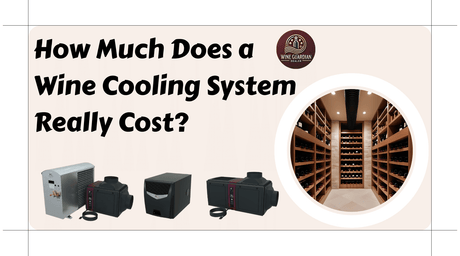
Wine cooling systems can cost anywhere from $1,800 to $13,000+. This guide breaks down unit costs, install factors, and hidden expenses you should plan for.
Jim Hopper
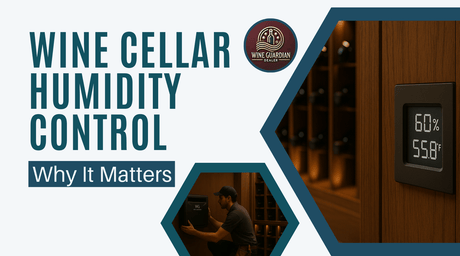
Humidity is just as vital as temperature in your wine cellar. Learn how to protect corks, prevent spoilage, and maintain the perfect balance year-round.
Jim Hopper
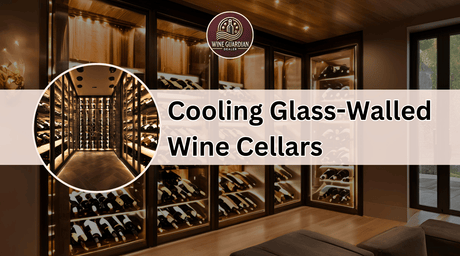
Learn how to cool modern glass wine cellars with precision. We break down thermal load, best systems, and real-world solutions from Wine Guardian Dealer.
Jim Hopper
🛒Shop our most-loved Wine Guardian cooling systems today.
🛠️Protect your wine with the most trusted systems on the market.
❤️Tested, reviewed, and loved by serious collectors like you.


Wine Guardian
Wine Guardian D025 Ducted Wine Cellar Cooling Unit


Wine Guardian
Wine Guardian D025WC Water Cooled Wine Cooling Unit


Wine Guardian
Wine Guardian DS025 Duct Split Wine Cellar Cooling Unit


Wine Guardian
Wine Guardian DS050 Duct Split System Wine Cellar Cooling Unit


Wine Guardian
Wine Guardian CS025 Ceiling Mount Wine Cooling Unit


Wine Guardian
Wine Guardian CS050 Ceiling Mount Wine Cooling System


Wine Guardian
Wine Guardian TTW009 Through The Wall Wine Cellar Cooling Unit


Wine Guardian
Wine Guardian TTW018 Through-The-Wall Wine Cellar Cooling Unit

Wine Guardian
Wine Guardian Sentinel Series Integrated Humidifier 99H0173-20

Wine Guardian
Wine Guardian Integrated Humidifier for Sentinel Series 99H0173-30

Wine Guardian
Wine Guardian Freestanding Humidifier For Use With Wine Guardian Units


Wine Guardian
Wine Guardian TTW04B Defender Through-The-Wall Wine Cellar Cooling Unit


Wine Guardian
Wine Guardian TTW02B Defender Through-The-Wall Wine Cellar Cooling Unit


Wine Guardian
Wine Guardian TTW01B Defender Through-The-Wall Wine Cellar Cooling Unit