



5 Signs Your Wine Cooling System Is About to Fail
Don’t wait for a costly surprise. Wine Guardian Dealer breaks down the top 5 signs your wine cooling system may be failing — and how to fix it before damage...
Jim Hopper
In Stock & Ready to Ship – Order Your Wine Cooling System Today!
Free Wine Cellar Expert Consultation | 📞 Call 1-800-260-1712

Start with a FREE expert consultation on Wine Guardian cooling system sizing, racking options, and the right setup for your space.

Build your dream wine cellar—without costly mistakes or guesswork.
By Jim Hopper, Wine Cooling Expert
Proper wine storage is essential for preserving flavor, aroma, and value—whether you’re a passionate collector, a hospitality designer, or simply love having a showpiece wine cellar at home. One of the most effective solutions for maintaining optimal conditions is a ducted split wine cellar cooling unit. In this guide, we’ll explain what ducted split systems are, compare them to other options, highlight their benefits, and help you choose the best ducted split wine cooling system for your needs.
If you’re looking to understand all your options, our Wine Cooling Systems Comparison Guide offers a comprehensive overview of different technologies and their pros and cons.

A ducted split wine cellar cooling unit is a specialized climate control solution designed for wine rooms and cellars. Unlike self-contained or through-wall units, a ducted split system separates the cooling process into two main components:
Cooled air is delivered into the wine cellar through insulated ductwork, while warm air is vented away, keeping your cellar quiet and vibration-free. This setup is ideal for those seeking a premium, unobtrusive wine storage solution.
For a detailed breakdown of how ducted split systems compare to ducted self-contained and ductless systems, see our Guide: Ducted vs. Ductless Wine Cooling and Ducted vs. Ductless Wine Cooling Systems.
Ducted vs. Ductless Wine Cooling: Ducted systems use air ducts to distribute cooled air, allowing for flexible installation and minimal noise. Ductless (or split) systems use refrigerant lines and typically have a visible indoor unit, which may generate more noise and limit placement options.
Choosing a ducted split wine cellar cooling system offers several compelling advantages:
If silent operation is a top priority, you may also want to explore our guide to the Quietest Wine Cooling Systems.

Selecting the right system involves several key factors:
For a deeper look at what to consider before purchasing, visit our resource on Buying Factors for a Wine Cooling System.
You can also follow our step-by-step guide to choosing the best wine cellar cooling unit for more decision-making tips.
Understanding the difference between ducted split and ducted self-contained units is vital for making the right choice:
| Feature | Ducted Split System | Ducted Self-Contained System |
|---|---|---|
| Components | Separate air handler & remote condenser | Single integrated unit |
| Heat Removal | Heat expelled outdoors | Heat vented to nearby space |
| Noise in Cellar | Extremely low | Low, but can be higher nearby |
| Installation | Requires refrigerant lines & ductwork | Ductwork only |
| Flexibility | More placement options | Limited by duct length |
| Cost | Higher upfront, more complex install | Lower upfront, easier install |
| Efficiency | Often more efficient | Slightly less efficient |
If you’re interested in a broader comparison of cooling system types, don’t miss our Best Wine Cellar Cooling Units and Top-Rated Wine Cellar Cooling Units.
Who should choose which?
If you want maximum flexibility, ultra-quiet operation, and have the budget for a premium installation, a ducted split system is the top choice. For smaller cellars or simpler installs, a ducted self-contained unit may suffice.

When searching for the best ducted split wine cooling units, consider these leading brands and models, known for reliability, performance, and advanced features:
For a side-by-side look at leading brands, check out our Wine Guardian vs. CellarPro comparison.
Choosing the Best Model:
Always compare features, warranty, and customer reviews to find the best wine cellar cooling unit for your needs.
Installation: Ducted split systems require professional installation, including refrigerant line runs, ductwork, and proper ventilation for the condenser. Plan duct paths early in your build or renovation to maximize flexibility and performance.
Maintenance:
Proper installation and regular upkeep will ensure your wine cellar cooling system performs reliably for years.

A ducted split wine cooling unit is the gold standard for serious collectors and anyone seeking silent, reliable, and flexible wine cellar climate control. By understanding your cellar’s needs and comparing top-rated systems, you can ensure your wine collection matures perfectly for years to come.
Ready to find the best ducted split wine cooling unit for your cellar? Compare top models, consult with a wine cellar expert, or request a custom quote to protect your investment and enjoy your collection at its finest.

To determine the right size, calculate your cellar’s cubic footage and consider factors like insulation quality, glass surfaces, and ambient temperature swings. Most manufacturers provide BTU calculators or guidelines. Consulting with a wine cellar expert ensures you select a system that matches your specific wine room climate control needs.
A ducted split system has separate components (evaporator and remote condenser) connected by refrigerant lines and ductwork, offering ultra-quiet operation and more flexible installation. A ducted self-contained unit houses everything in one appliance, making installation easier but with less flexibility and potentially more noise.
Yes, as long as you have space for ductwork and a suitable location for the remote condenser. Retrofitting may require some modifications, but many modern ducted split systems are designed with flexibility in mind for upgrades or renovations.
Absolutely. One of the main benefits is ultra-quiet operation, as the noisy condenser is located remotely. Many premium ducted split systems operate at sound levels as low as 30–35 dB, making them ideal for showpiece cellars and entertainment areas.
Many high-performance ducted split wine cooling systems offer smart-home compatibility, allowing integration with platforms like Control4, Crestron, or smart thermostats. This enables remote monitoring, alerts, and climate adjustments from anywhere.
Routine maintenance includes changing air filters every 3–6 months, annual coil cleaning, and refrigerant checks by a professional. Monitoring temperature and humidity—often possible via smart controls—helps ensure optimal wine storage conditions year-round.
Installation typically requires professional expertise, including running refrigerant lines, installing insulated ductwork, and providing proper ventilation for the remote condenser. Planning duct paths early in your cellar project is recommended for the best results.
Don’t wait for a costly surprise. Wine Guardian Dealer breaks down the top 5 signs your wine cooling system may be failing — and how to fix it before damage...
Jim Hopper

Not every wine cellar needs a humidifier — but many should. This guide from Wine Guardian Dealer helps you understand when humidity control is critical, what goes wrong without it,...
Jim Hopper

Building a wine cellar isn’t like framing a spare room. Even experienced pros make critical mistakes that lead to spoiled wine, mold, or failed systems. In this guide from Wine...
Jim Hopper

Curious what it's like to hire a wine cooling expert? Discover how Wine Guardian Dealer helps collectors avoid costly mistakes and create flawless wine cellar environments. From system sizing to...
Jim Hopper

Protect your wine collection and your wallet. Discover the most common wine cellar cooling mistakes that cost collectors thousands — from underpowered systems to airflow issues — and learn how...
Jim Hopper
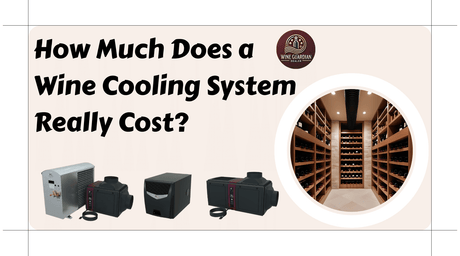
Wine cooling systems can cost anywhere from $1,800 to $13,000+. This guide breaks down unit costs, install factors, and hidden expenses you should plan for.
Jim Hopper

Humidity is just as vital as temperature in your wine cellar. Learn how to protect corks, prevent spoilage, and maintain the perfect balance year-round.
Jim Hopper

Learn how to cool modern glass wine cellars with precision. We break down thermal load, best systems, and real-world solutions from Wine Guardian Dealer.
Jim Hopper
🛒Shop our most-loved Wine Guardian cooling systems today.
🛠️Protect your wine with the most trusted systems on the market.
❤️Tested, reviewed, and loved by serious collectors like you.


Wine Guardian
Wine Guardian D025 Ducted Wine Cellar Cooling Unit


Wine Guardian
Wine Guardian D025WC Water Cooled Wine Cooling Unit


Wine Guardian
Wine Guardian DS025 Duct Split Wine Cellar Cooling Unit


Wine Guardian
Wine Guardian DS050 Duct Split System Wine Cellar Cooling Unit


Wine Guardian
Wine Guardian CS025 Ceiling Mount Wine Cooling Unit


Wine Guardian
Wine Guardian CS050 Ceiling Mount Wine Cooling System


Wine Guardian
Wine Guardian TTW009 Through The Wall Wine Cellar Cooling Unit


Wine Guardian
Wine Guardian TTW018 Through-The-Wall Wine Cellar Cooling Unit

Wine Guardian
Wine Guardian Sentinel Series Integrated Humidifier 99H0173-20

Wine Guardian
Wine Guardian Integrated Humidifier for Sentinel Series 99H0173-30

Wine Guardian
Wine Guardian Freestanding Humidifier For Use With Wine Guardian Units


Wine Guardian
Wine Guardian TTW04B Defender Through-The-Wall Wine Cellar Cooling Unit


Wine Guardian
Wine Guardian TTW02B Defender Through-The-Wall Wine Cellar Cooling Unit


Wine Guardian
Wine Guardian TTW01B Defender Through-The-Wall Wine Cellar Cooling Unit