


5 Signs Your Wine Cooling System Is About to Fail
Don’t wait for a costly surprise. Wine Guardian Dealer breaks down the top 5 signs your wine cooling system may be failing — and how to fix it before damage...
Jim Hopper
In Stock & Ready to Ship – Order Your Wine Cooling System Today!
Free Wine Cellar Expert Consultation | 📞 Call 1-800-260-1712

Start with a FREE expert consultation on Wine Guardian cooling system sizing, racking options, and the right setup for your space.

Build your dream wine cellar—without costly mistakes or guesswork.
A wine cellar cooling system is essential for maintaining the perfect environment for your wine collection. Proper temperature and humidity are crucial for preserving the flavor, aroma, and value of your wines. However, even the best wine cellar cooling units can encounter problems or require routine upkeep. This guide walks you through wine cellar cooling system troubleshooting, maintenance best practices, and answers to common questions—ensuring your wines are always stored under optimal conditions.
Looking for the right system for your cellar? Explore our wine cellar cooling units to find models suited for every cellar size and configuration.

Wine cellar cooling units are specialized refrigeration systems designed to maintain stable temperature and humidity levels. Unlike standard refrigerators, these systems use precise controls and sensors to create the perfect climate for wine storage. Most units rely on either compressor-based or thermoelectric technology, and come in various configurations such as ducted, split, or self-contained systems.
Consistent wine cellar temperature stability and proper humidity control are critical for aging wine gracefully and avoiding spoilage, cork drying, or mold growth. For cellars requiring ducted solutions, view our ducted wine cellar cooling units for efficient, quiet climate control.
If your wine cellar cooling unit is not working correctly, follow these step-by-step troubleshooting strategies:
If your unit is running but not cooling effectively, see our detailed guide on what to do if your wine cellar cooling system is not cooling for more troubleshooting steps.
If you’re experiencing issues with your cellar getting too cold, read our tips on how to address a wine cellar that's too cold.
If your control panel displays persistent error codes, professional diagnostics are advised. Learn more about wine cooling system service frequency.
For advanced cellar setups, consider our split system wine cooling units.
For more on noise troubleshooting, see our guide on wine cooling unit freezing.
If your unit is running constantly, find specific troubleshooting advice in our guide to wine cooling units that run nonstop.
For more in-depth solutions, visit our post on what to do if your wine cellar humidity is too high. If humidity is a challenge in your cellar, see our range of wine cellar humidifiers designed to maintain optimal storage conditions.

Maintaining consistent temperature is critical for protecting your wine collection. Fluctuations can negatively impact wine quality, causing premature aging or spoilage. Here’s how to identify and address common temperature stability issues:
If you’re noticing temperature swings, see our tips for wine cellar cooling not cooling and wine cellar too cold.
Wine cellar cooling systems rely on several key components to maintain optimal temperature and humidity. When a specific part fails, it can lead to noticeable performance issues or complete system shutdown. Understanding common component-specific failures—and how to diagnose them—helps you quickly identify problems and determine when professional intervention is needed.
If you need replacement parts or accessories for maintenance or repairs, browse our full range of wine cellar cooling parts and accessories.
Considering an upgrade or replacement? Discover our selection of self-contained wine cooling units for easy installation, or explore our split system wine cooling units for advanced cellar setups.
Addressing component-specific failures promptly can prevent further damage to your wine cellar cooling system and help maintain the ideal environment for your wine collection.

For more troubleshooting tips, check out our wine cooling maintenance checklist.

Routine maintenance is essential to keep your wine cellar cooling system running efficiently and to prevent costly repairs. Use this maintenance checklist:
For a printable version and more detailed steps, check out our wine cooling maintenance checklist.
Daily/Weekly:
Monthly:
Quarterly/Semi-Annually:
Annually:
Learn more about recommended service intervals in our post on wine cooling system service frequency.
While many wine cellar cooling system issues can be resolved with basic troubleshooting and regular maintenance, some problems require the expertise of a qualified professional. Knowing when to seek professional assistance can help you avoid costly damage, ensure safe operation, and extend the life of your cooling unit.
Contact a certified HVAC technician or refrigeration specialist if you experience any of the following:
Tip: Keep your unit’s model information and service history handy when contacting support. This helps technicians provide faster, more accurate assistance.
If you’re unsure whether your issue requires a professional, it’s always safer to consult customer service or schedule an inspection—protecting both your cooling system and your valuable wine collection.

For Wine Guardian systems or other manufacturer-specific units:
If your cooling unit is aging, experiencing frequent breakdowns, or repair costs are approaching the price of a new unit, it may be time to consider professional replacement. Newer models often offer improved energy efficiency and reliability, protecting your investment for years to come.
Considering an upgrade? Discover our self-contained wine cooling units, advanced split system wine cooling units, or explore all wine cellar cooling units to find the best fit for your space.

Proper wine cellar cooling system troubleshooting and maintenance are essential for protecting your wine investment. By following the steps and maintenance checklist in this guide, you can resolve common problems, maintain ideal storage conditions, and extend the life of your cooling unit. For complex issues, don’t hesitate to consult a professional—your wine collection deserves the best care.
Ready to explore solutions? Visit our wine cellar cooling units or browse Wine Guardian products for the latest technology and support.

Unplug the unit, clean coils and fans with a soft brush or vacuum, and wipe down the interior with mild detergent.
Follow the step-by-step guide above: check power, thermostat, error codes, airflow, seals, and listen for unusual sounds.
Common causes include power issues, thermostat malfunctions, dirty coils, refrigerant leaks, and poor airflow.
Perform basic cleaning monthly and schedule professional servicing annually.
Regular filter changes, coil cleaning, drain line checks, and periodic professional inspections.
Possible causes include poor insulation, frequent door openings, or incorrect cooling unit settings.
Don’t wait for a costly surprise. Wine Guardian Dealer breaks down the top 5 signs your wine cooling system may be failing — and how to fix it before damage...
Jim Hopper
Not every wine cellar needs a humidifier — but many should. This guide from Wine Guardian Dealer helps you understand when humidity control is critical, what goes wrong without it,...
Jim Hopper

Building a wine cellar isn’t like framing a spare room. Even experienced pros make critical mistakes that lead to spoiled wine, mold, or failed systems. In this guide from Wine...
Jim Hopper

Curious what it's like to hire a wine cooling expert? Discover how Wine Guardian Dealer helps collectors avoid costly mistakes and create flawless wine cellar environments. From system sizing to...
Jim Hopper
Protect your wine collection and your wallet. Discover the most common wine cellar cooling mistakes that cost collectors thousands — from underpowered systems to airflow issues — and learn how...
Jim Hopper
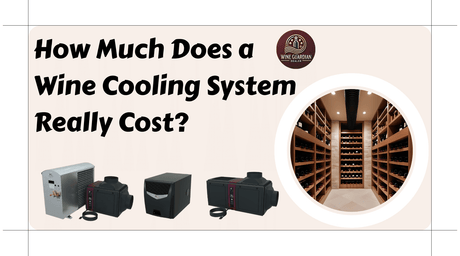
Wine cooling systems can cost anywhere from $1,800 to $13,000+. This guide breaks down unit costs, install factors, and hidden expenses you should plan for.
Jim Hopper
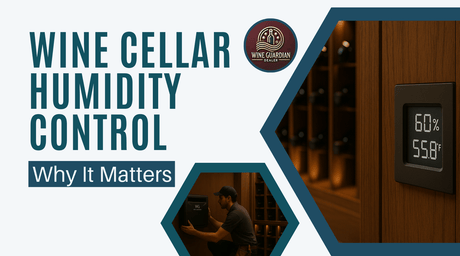
Humidity is just as vital as temperature in your wine cellar. Learn how to protect corks, prevent spoilage, and maintain the perfect balance year-round.
Jim Hopper
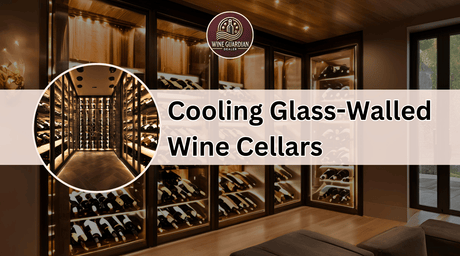
Learn how to cool modern glass wine cellars with precision. We break down thermal load, best systems, and real-world solutions from Wine Guardian Dealer.
Jim Hopper
🛒Shop our most-loved Wine Guardian cooling systems today.
🛠️Protect your wine with the most trusted systems on the market.
❤️Tested, reviewed, and loved by serious collectors like you.


Wine Guardian
Wine Guardian D025 Ducted Wine Cellar Cooling Unit


Wine Guardian
Wine Guardian D025WC Water Cooled Wine Cooling Unit


Wine Guardian
Wine Guardian DS025 Duct Split Wine Cellar Cooling Unit


Wine Guardian
Wine Guardian DS050 Duct Split System Wine Cellar Cooling Unit


Wine Guardian
Wine Guardian CS025 Ceiling Mount Wine Cooling Unit


Wine Guardian
Wine Guardian CS050 Ceiling Mount Wine Cooling System


Wine Guardian
Wine Guardian TTW009 Through The Wall Wine Cellar Cooling Unit


Wine Guardian
Wine Guardian TTW018 Through-The-Wall Wine Cellar Cooling Unit

Wine Guardian
Wine Guardian Sentinel Series Integrated Humidifier 99H0173-20

Wine Guardian
Wine Guardian Integrated Humidifier for Sentinel Series 99H0173-30

Wine Guardian
Wine Guardian Freestanding Humidifier For Use With Wine Guardian Units


Wine Guardian
Wine Guardian TTW04B Defender Through-The-Wall Wine Cellar Cooling Unit


Wine Guardian
Wine Guardian TTW02B Defender Through-The-Wall Wine Cellar Cooling Unit


Wine Guardian
Wine Guardian TTW01B Defender Through-The-Wall Wine Cellar Cooling Unit