



5 Signs Your Wine Cooling System Is About to Fail
Don’t wait for a costly surprise. Wine Guardian Dealer breaks down the top 5 signs your wine cooling system may be failing — and how to fix it before damage...
Jim Hopper
In Stock & Ready to Ship – Order Your Wine Cooling System Today!
Free Wine Cellar Expert Consultation | 📞 Call 1-800-260-1712

Start with a free expert consult—cooling system sizing, racking options, and no upsells.

Build your dream wine cellar—without costly mistakes or guesswork.
By Jim Hopper, Wine Cooling Expert
If you’re a wine enthusiast with limited space, you know that storing wine in the right environment is essential to preserving its flavor and value. Whether you have a compact cellar, a closet, a cabinet, or a small dedicated room, finding the best wine cellar cooling units for small spaces ensures your bottles age gracefully—without taking over your home.
Looking for a comprehensive overview of wine cooling solutions? Explore our Wine Cooling Reviews & Guides for expert advice on choosing, installing, and maintaining the ideal system for any space.
In this guide, we’ll explore the top compact wine cooling systems, explain what to look for, and help you choose the perfect solution for your needs.

Small spaces present unique challenges for wine storage. Heat can build up quickly, ventilation is often limited, and noise from appliances can disrupt your living environment. Standard air conditioners or refrigerators simply don’t offer the precise temperature and humidity control required for proper wine aging.
A small wine cellar cooling unit is designed specifically for these environments. These systems are energy-efficient, quiet, and compact—making them ideal for apartments, closets, cabinets, and other tight spaces.
If you’re interested in maximizing energy savings in a compact cellar, check out our guide to energy-efficient wine cooling systems.
Selecting the right wine cooling unit for your small cellar or room starts with accurately assessing your storage needs and environment. Matching your unit’s capacity and coverage to your space is key to achieving stable temperature and climate control—both critical for preserving your wine collection.
If your cellar falls within the 500–999 cubic feet range, browse our wine cooling units for 500–999 cu ft cellars to find models perfectly sized for your needs.
Looking for affordable solutions? See our comparison of budget wine cooling systems for small spaces.

When selecting a wine cooling system for a small cellar, consider the following features:
These are the most popular option for small wine cellars, closets, and cabinets. They’re easy to install (often through the wall), affordable, and require minimal maintenance.
Explore our full range of self-contained wine cooling units for compact, user-friendly options.
For a detailed breakdown, check out our review of Wine Guardian through-the-wall units.
Mini split systems separate the noisy compressor from the indoor unit, resulting in quieter operation. They’re ideal for small cellars where noise is a concern and installation flexibility is needed.
Discover top-rated ductless split wine cooling systems designed for quiet, efficient cooling in tight spaces.
Curious about how split systems compare to self-contained models? Read our guide on self-contained vs. split cooling systems.
These systems can be installed remotely, with cooled air delivered via ducts. They’re perfect for tight spaces where you want a nearly silent operation and a clean look, though installation is more involved.
Browse our ducted wine cellar cooling units for advanced, low-noise solutions.
Designed specifically for wine cabinets or very tight enclosures, these compact units fit where others can’t, providing targeted cooling for your prized collection.
For straightforward installation in small spaces, through-the-wall wine cellar cooling units offer a practical and space-saving solution.
Below are some of the best wine cooling units for small spaces, organized by type and capacity. (Always check the manufacturer’s specifications for exact coverage.)
For a wider selection of cooling solutions—including those for compact and unconventional spaces—explore our complete wine cellar cooling units collection.
If you’re deciding between different Wine Guardian models, our Pro Series vs. Sentinel Series comparison can help you make an informed choice.

Need replacement parts or upgrades? Visit our wine cellar parts and accessories collection for everything you need to keep your cooling system running smoothly.
When ready to buy, look for reputable dealers and compare small space wine cooling systems based on capacity, features, and price. Many brands offer energy-efficient small wine coolers and special models for cabinets, closets, and apartments. Always check for warranties and customer support.
Explore our best-selling wine cooling units or browse the full Wine Guardian product collection for trusted, high-performance options.

Choosing the best wine cooling unit for your small space is crucial to protecting your collection and enjoying your wine at its best. By considering your space, installation needs, and desired features, you’ll find a system that fits seamlessly into your home—whether it’s a closet, cabinet, or compact cellar. Use this guide to compare options and make an informed decision, ensuring your wine ages perfectly in even the smallest of spaces.
Ready to upgrade your wine storage? Explore and compare the best wine cooling units for small spaces today!

For optimal bottle life, set your wine cellar cooling unit between 55°F and 58°F. This range helps preserve flavor and aroma while minimizing temperature fluctuations that can harm your wine.
Humidity control is crucial. Aim for 50–70% relative humidity to prevent corks from drying out and to protect labels from mold. Many modern wine cellar cooling units include built-in humidity regulation.
Ensure your storage area is well-insulated and sealed with a vapor barrier. Choose a cooling unit properly sized for your space, and avoid frequent door openings to maintain a stable environment.
Yes, there are compact and low-profile wine cooling units designed specifically for small or unconventional spaces. Just make sure there is adequate ventilation and insulation to support consistent cooling.
First, check for proper insulation and that doors or panels are fully closed. Clean or replace air filters, and ensure there’s no blockage around the unit. Persistent issues may require a professional inspection to check for refrigerant leaks or thermostat problems.
Clean or replace filters every 3–6 months, depending on usage and manufacturer recommendations. Schedule a professional inspection annually to ensure all components are functioning and to extend the lifespan of your cooling unit.
With regular maintenance and proper installation, most wine cellar cooling units last 8–12 years. Neglecting maintenance or placing the unit in a poorly insulated area can shorten its lifespan and compromise your wine collection.
Don’t wait for a costly surprise. Wine Guardian Dealer breaks down the top 5 signs your wine cooling system may be failing — and how to fix it before damage...
Jim Hopper

Not every wine cellar needs a humidifier — but many should. This guide from Wine Guardian Dealer helps you understand when humidity control is critical, what goes wrong without it,...
Jim Hopper

Building a wine cellar isn’t like framing a spare room. Even experienced pros make critical mistakes that lead to spoiled wine, mold, or failed systems. In this guide from Wine...
Jim Hopper

Curious what it's like to hire a wine cooling expert? Discover how Wine Guardian Dealer helps collectors avoid costly mistakes and create flawless wine cellar environments. From system sizing to...
Jim Hopper
Protect your wine collection and your wallet. Discover the most common wine cellar cooling mistakes that cost collectors thousands — from underpowered systems to airflow issues — and learn how...
Jim Hopper
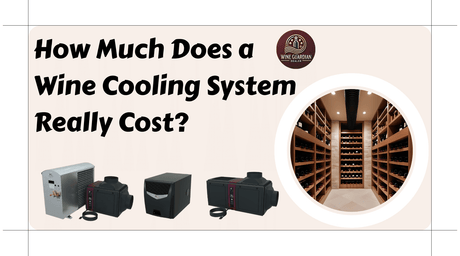
Wine cooling systems can cost anywhere from $1,800 to $13,000+. This guide breaks down unit costs, install factors, and hidden expenses you should plan for.
Jim Hopper
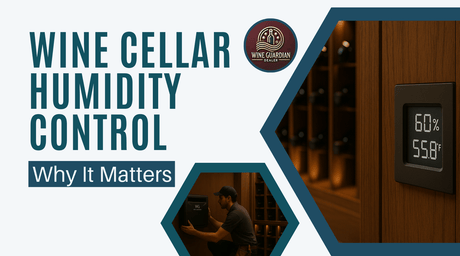
Humidity is just as vital as temperature in your wine cellar. Learn how to protect corks, prevent spoilage, and maintain the perfect balance year-round.
Jim Hopper
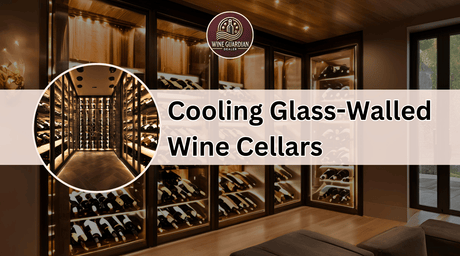
Learn how to cool modern glass wine cellars with precision. We break down thermal load, best systems, and real-world solutions from Wine Guardian Dealer.
Jim Hopper
🛒Shop our most-loved Wine Guardian cooling systems today.
🛠️Protect your wine with the most trusted systems on the market.
❤️Tested, reviewed, and loved by serious collectors like you.


Wine Guardian
Wine Guardian D025 Ducted Wine Cellar Cooling Unit


Wine Guardian
Wine Guardian D025WC Water Cooled Wine Cooling Unit


Wine Guardian
Wine Guardian DS025 Duct Split Wine Cellar Cooling Unit


Wine Guardian
Wine Guardian DS050 Duct Split System Wine Cellar Cooling Unit


Wine Guardian
Wine Guardian CS025 Ceiling Mount Wine Cooling Unit


Wine Guardian
Wine Guardian CS050 Ceiling Mount Wine Cooling System


Wine Guardian
Wine Guardian TTW009 Through The Wall Wine Cellar Cooling Unit


Wine Guardian
Wine Guardian TTW018 Through-The-Wall Wine Cellar Cooling Unit

Wine Guardian
Wine Guardian Sentinel Series Integrated Humidifier 99H0173-20

Wine Guardian
Wine Guardian Integrated Humidifier for Sentinel Series 99H0173-30

Wine Guardian
Wine Guardian Freestanding Humidifier For Use With Wine Guardian Units


Wine Guardian
Wine Guardian Sentinel Through-The-Wall Wine Cooling Unit

Wine Guardian
Wine Guardian Defender Through-The-Wall Wine Cooling Unit WGTTW04B

Wine Guardian
Wine Guardian Defender Through-The-Wall Wine Cooling Unit WGTTW02B

Wine Guardian
Wine Guardian Defender Through-The-Wall Wine Cooling Unit WGTTW01B


Wine Guardian
Wine Guardian Classic Through-The-Wall Wine Cooling Unit