



5 Signs Your Wine Cooling System Is About to Fail
Don’t wait for a costly surprise. Wine Guardian Dealer breaks down the top 5 signs your wine cooling system may be failing — and how to fix it before damage...
Jim Hopper
In Stock & Ready to Ship – Order Your Wine Cooling System Today!
Free Wine Cellar Expert Consultation | 📞 Call 1-800-260-1712

Start with a free expert consult—cooling system sizing, racking options, and no upsells.

Build your dream wine cellar—without costly mistakes or guesswork.
By Jim Hopper, Wine Cooling Expert
If you’re serious about collecting wine, you know that proper storage is essential for preserving taste, aroma, and value. For mid-sized wine cellars—typically between 500 and 1500 cubic feet—maintaining consistent temperature and humidity is critical. Unlike small wine fridges or DIY solutions, a dedicated wine cellar cooling system ensures your collection ages gracefully and is protected year-round.
This guide compares the best wine cellar cooling systems for mid-sized cellars, helping you choose the right unit for your needs and budget. For a deeper dive into system types, features, and model comparisons, be sure to check out our comprehensive wine cooling system comparison guide.

Mid-sized cellars present unique climate control challenges. They are too large for compact wine coolers but don’t require the industrial power of commercial systems. The ideal BTU for mid-sized wine cellars usually falls between 2,000 and 6,000 BTU, but the exact requirement depends on insulation, location, and ambient temperature.
If your cellar is on the smaller end, browse our 500–999 cu. ft. wine cellar cooling systems.
For larger mid-sized spaces, explore the 1000–1999 cu. ft. wine cellar cooling systems for the best fit.
To size your system, calculate your cellar’s cubic footage (length × width × height). For example, a 10×10×8 ft cellar = 800 cu ft. Add 10–20% extra capacity to account for insulation imperfections or glass walls. Wine cellar capacity cooling match is key to efficient, reliable operation.
For more on sizing and choosing the right unit, visit how to find the right wine cooling unit.
Choosing the right type of system is just as important as sizing. Here’s a breakdown of the main options:
If you want to browse all system types, visit our wine cellar cooling units collection.
For the best ductless split options, see our best ductless split systems guide.

When comparing mid-size wine cellar cooling units, keep these factors in mind:
For a full checklist of buying considerations, see key buying factors for a wine cooling system.
Here are some of the best options, based on performance, reliability, and value. For a broader look at top-rated models, visit our best wine cellar cooling units and top rated wine cellar cooling units.
| Model & Type | Capacity (cu ft) | Key Features | Pros | Best For |
|---|---|---|---|---|
| Wine Guardian D025 (Ducted) | Up to 1000 | Remote installation, advanced humidity control, ultra-quiet | Silent, evenly distributed cooling | Discreet installations |
| WhisperKOOL SC PRO 4000 (Through-the-Wall) | Up to 1000 | Digital controls, quiet operation, easy install | DIY-friendly, reliable | Home cellars |
| CellarPro 3200VSi (Self-Contained) | Up to 800 | Adjustable humidity, energy efficient, flexible exhaust | Compact, efficient | Small to mid-size cellars |
| Vinotemp Wine-Mate 3500HZD (Self-Contained) | Up to 1000 | Customizable options, LED display, ducted or rear exhaust | Versatile, easy to use | Versatile spaces |
| Breezaire WKL 4000 (Through-the-Wall) | Up to 1000 | Simple controls, quiet compressor | Proven reliability | Traditional cellars |
Note: Always confirm the unit’s cubic foot rating against your cellar’s volume.
For a curated list of the most popular models, see our best sellers collection.
For step-by-step guidance, read choosing the best wine cellar cooling unit and choosing the best wine cooler.

For more on installation types, see best through-the-wall wine cooling systems.
Selecting and installing the right cooling system is easier when you have access to expert support and resources. Many top brands provide complimentary wine cellar design services, connecting you with a dedicated design team to help you create the ideal wine storage solution for your space and budget.
You’ll find robust learning centers and resources to help you build your cellar, select the right unit, and install it correctly. Customer service and specialist support teams are available to answer your questions, and feedback from customers, contractors, builders, and technicians is used to continually improve products and services.
Strategic alliances with vendors expand your options and ensure you have access to high-quality solutions. Whether you’re seeking guidance on installation, maintenance, or product selection, these support resources are invaluable for both beginners and experienced collectors.
For the full range of options, visit our Wine Guardian products collection.
Ready to protect your collection? Compare wine cellar cooling systems from trusted brands and authorized dealers. Look for units specifically rated for 500–1500 cu ft, and don’t hesitate to request a quote or expert consultation. For the best value and warranty, buy from reputable sources—search “Wine Guardian dealer near me” or visit our Wine Guardian products collection.

Investing in the best wine cellar cooling system for mid-sized cellars ensures your wine matures beautifully and remains protected for years to come. By carefully sizing your unit, comparing features, and choosing a reliable brand, you’ll enjoy peace of mind—and perfect pours—no matter the season.
Need more help?
Contact a wine cooling specialist or explore our comprehensive wine cooling system comparison guide to find the ideal system for your unique space.

Look for a unit rated for at least 1,000 cu ft, such as the Wine Guardian D025 or WhisperKOOL SC PRO 4000. Ensure it offers both temperature and humidity control for reliable wine storage.
Calculate your cellar’s cubic footage (length × width × height). Choose a cooling unit with a capacity that matches or slightly exceeds this volume. Over-sizing by 10–20% is safe, but avoid going much higher to prevent short-cycling.
Ducted systems are installed outside the cellar with air ducted in, providing silent operation and flexible placement. Ductless (through-the-wall) units are easier to install but may produce more noise inside the cellar.
Through-the-wall and self-contained units are usually DIY-friendly. Ducted and split systems often require professional installation due to more complex setup and wiring.
Many premium wine cooling units offer integrated humidity control, maintaining levels between 50–70%. Always check product specifications for this feature.
Most quality units operate below 40 dB, which is as quiet as a library. Ducted and split systems are the quietest, while self-contained units may produce more noticeable sound.
Routine maintenance includes cleaning or replacing air filters every few months, checking for dust buildup, and scheduling annual professional inspections for refrigerant and electrical systems.
Don’t wait for a costly surprise. Wine Guardian Dealer breaks down the top 5 signs your wine cooling system may be failing — and how to fix it before damage...
Jim Hopper

Not every wine cellar needs a humidifier — but many should. This guide from Wine Guardian Dealer helps you understand when humidity control is critical, what goes wrong without it,...
Jim Hopper

Building a wine cellar isn’t like framing a spare room. Even experienced pros make critical mistakes that lead to spoiled wine, mold, or failed systems. In this guide from Wine...
Jim Hopper

Curious what it's like to hire a wine cooling expert? Discover how Wine Guardian Dealer helps collectors avoid costly mistakes and create flawless wine cellar environments. From system sizing to...
Jim Hopper
Protect your wine collection and your wallet. Discover the most common wine cellar cooling mistakes that cost collectors thousands — from underpowered systems to airflow issues — and learn how...
Jim Hopper
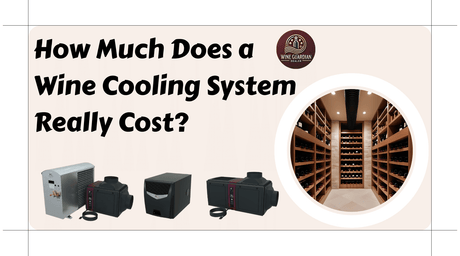
Wine cooling systems can cost anywhere from $1,800 to $13,000+. This guide breaks down unit costs, install factors, and hidden expenses you should plan for.
Jim Hopper
Humidity is just as vital as temperature in your wine cellar. Learn how to protect corks, prevent spoilage, and maintain the perfect balance year-round.
Jim Hopper
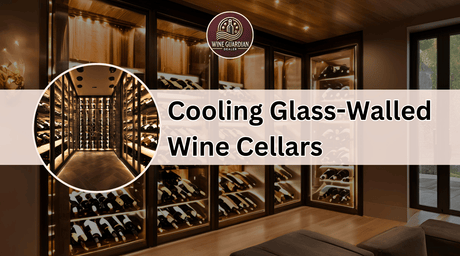
Learn how to cool modern glass wine cellars with precision. We break down thermal load, best systems, and real-world solutions from Wine Guardian Dealer.
Jim Hopper
🛒Shop our most-loved Wine Guardian cooling systems today.
🛠️Protect your wine with the most trusted systems on the market.
❤️Tested, reviewed, and loved by serious collectors like you.


Wine Guardian
Wine Guardian D025 Ducted Wine Cellar Cooling Unit


Wine Guardian
Wine Guardian D025WC Water Cooled Wine Cooling Unit


Wine Guardian
Wine Guardian DS025 Duct Split Wine Cellar Cooling Unit


Wine Guardian
Wine Guardian DS050 Duct Split System Wine Cellar Cooling Unit


Wine Guardian
Wine Guardian CS025 Ceiling Mount Wine Cooling Unit


Wine Guardian
Wine Guardian CS050 Ceiling Mount Wine Cooling System


Wine Guardian
Wine Guardian TTW009 Through The Wall Wine Cellar Cooling Unit


Wine Guardian
Wine Guardian TTW018 Through-The-Wall Wine Cellar Cooling Unit

Wine Guardian
Wine Guardian Sentinel Series Integrated Humidifier 99H0173-20

Wine Guardian
Wine Guardian Integrated Humidifier for Sentinel Series 99H0173-30

Wine Guardian
Wine Guardian Freestanding Humidifier For Use With Wine Guardian Units


Wine Guardian
Wine Guardian Sentinel Through-The-Wall Wine Cooling Unit

Wine Guardian
Wine Guardian Defender Through-The-Wall Wine Cooling Unit WGTTW04B

Wine Guardian
Wine Guardian Defender Through-The-Wall Wine Cooling Unit WGTTW02B

Wine Guardian
Wine Guardian Defender Through-The-Wall Wine Cooling Unit WGTTW01B


Wine Guardian
Wine Guardian Classic Through-The-Wall Wine Cooling Unit